What language are we designing in
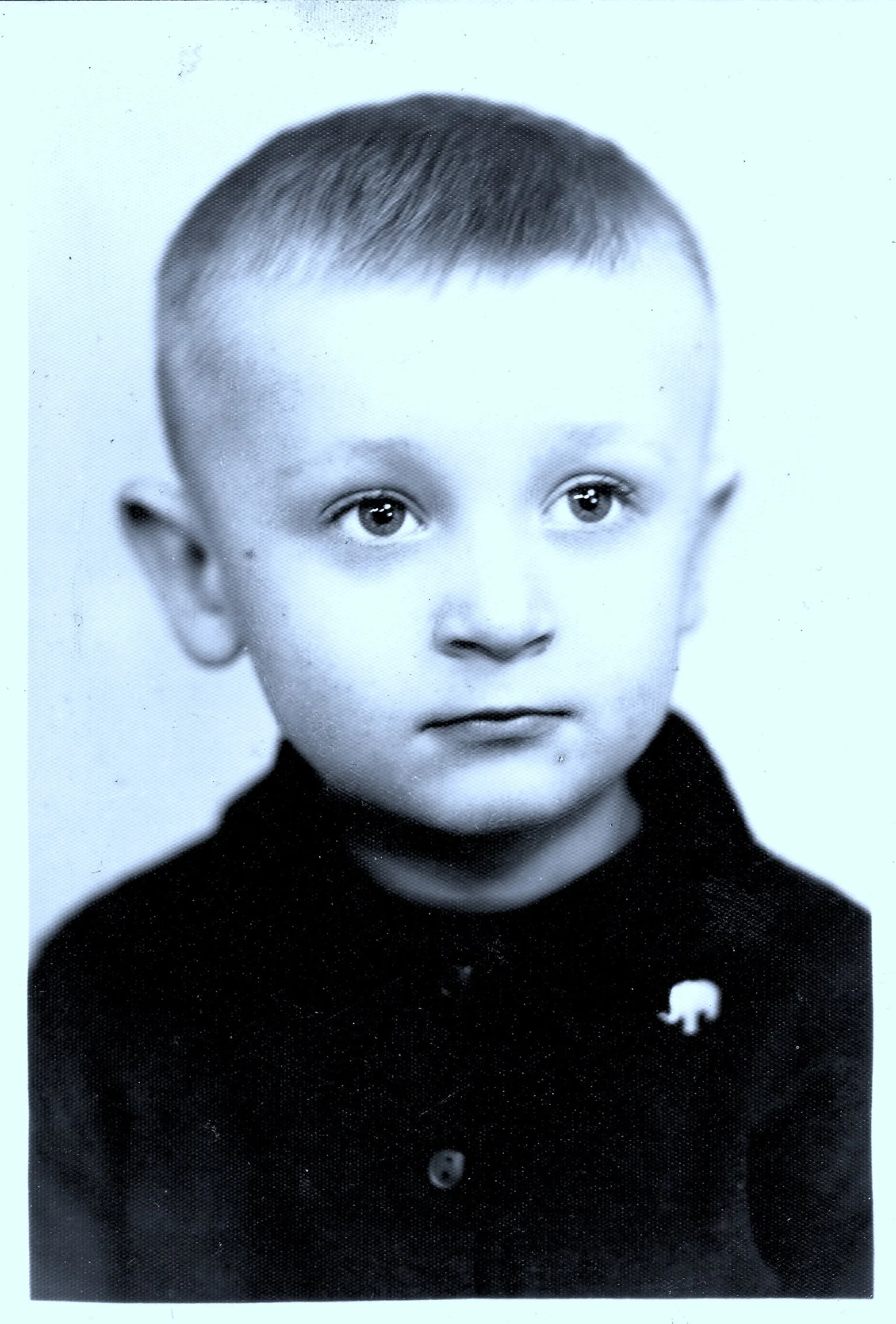
I grew up in another language. I think in Polish and English simultaneously, which means I am always slightly aware of the gap between the word I have and the thing it could mean.
Moving between languages taught me that no single vocabulary contains everything. The word that seems to settle a question in one language reveals, in translation, that it was settling it only within that language. The situation stays open.
I have been moving between disciplines the same way. Sociology, strategy, experience design. Poetry, running underneath all of it.
They are not separate things. They are in conversation.
Sociology finds what is already operating in a situation beneath what is visible — trained on the gap between the official account and what is actually happening. It distrusts the word that seems to settle the question.
Poetry finds the specific image that makes the gap available. You do not say it was sad. You find the thing that holds the sadness. The reader feels it without being told.
Experience design — the kind I am interested in — takes what the sociology noticed and what the poem found, and makes it concrete enough to build toward.
All three are instruments of careful attention to what is actually there, in this situation, that has not yet been found.
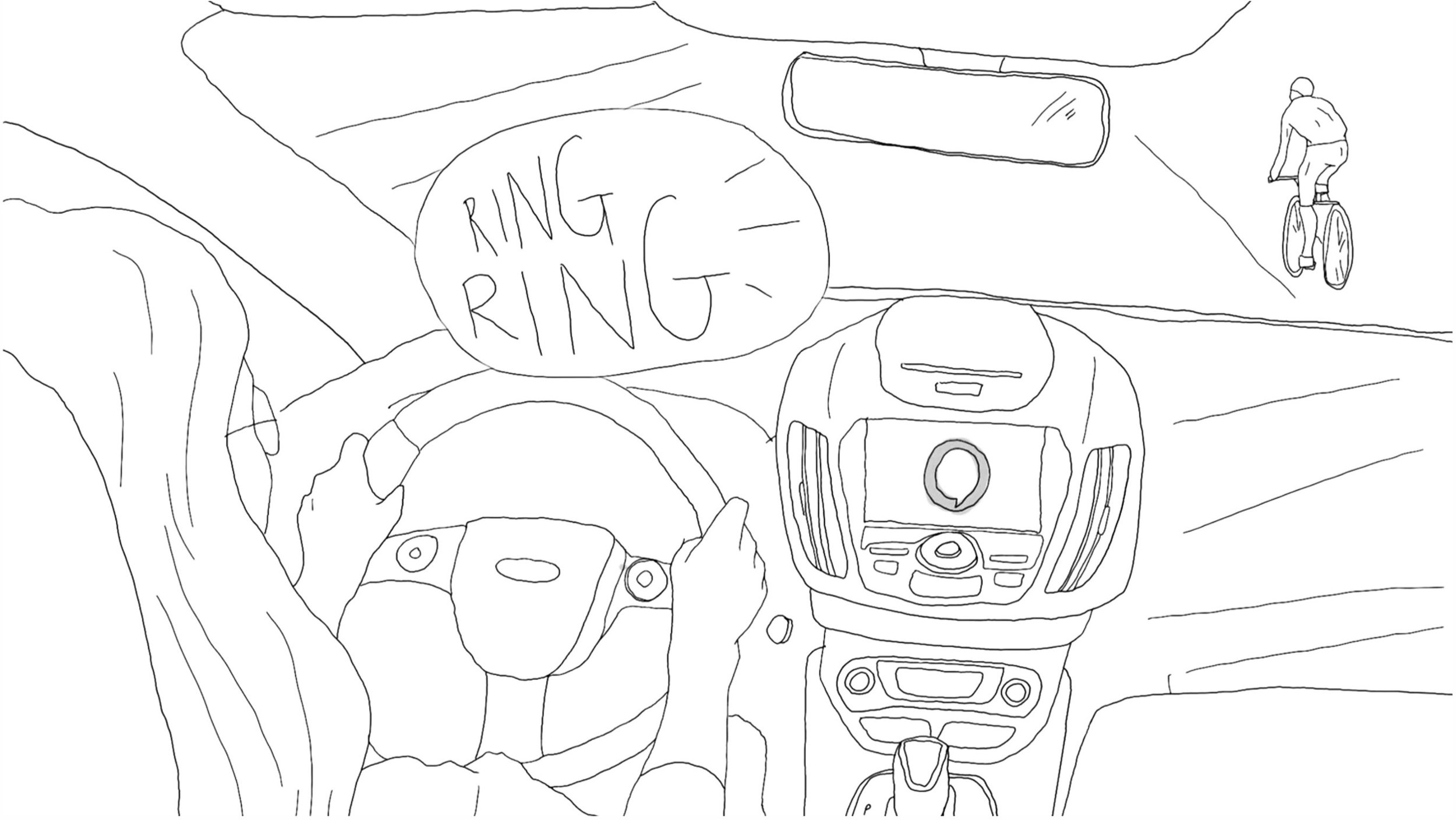
A connected vehicle was approaching a cyclist. The only word available was a horn. But a horn carries the grammar of a private vehicle asserting priority.
The situation called for something closer to: “Hello. I see you. Take your time.”
We gave the car a bicycle bell.
One sound, borrowed from a different social world. A joined US patent followed.
What the sociologist noticed: the road is a social space whose vocabulary shapes the quality of life inside it. What the poet found: the bell — specific, familiar, civil. What the experience designer did: gave the car a new word.
Three sensibilities. One gesture.
After some years inside institutional structures, my practice is now independent.
The studio is called Kinetic Optimism — in motion, not yet settled, looking for what the situation contains that current design has not found.

k_o is an open atelier: a continuing mode of inquiry and concept prototyping, looking for the next context where this way of seeing finds its most useful home.
The answers are concrete and inhabitable. They are not finished products. They are design questions made tangible.
The questions don't stop when the institutional context changes.
The questions I am sitting with now are about what kind of presence technological systems should have in the situations they are entering, before the design templates set.
What kind of participant should this system be?
What does it attend to?
How does the experience it creates become worth having — not just useful to have?
I will start from here.